

In brief
- Bernstein initiated coverage on TeraWulf (WULF) and Cipher Digital (CIFR) with “Outperform” ratings.
- Bitcoin miners have signed 17 deals worth over $110 billion in the past two years, contracting 6 GW of power to AI hyperscalers.
- Bernstein projects AI revenue across its coverage to grow ninefold, from $1.2 billion in 2026 to $10.7 billion by 2030.
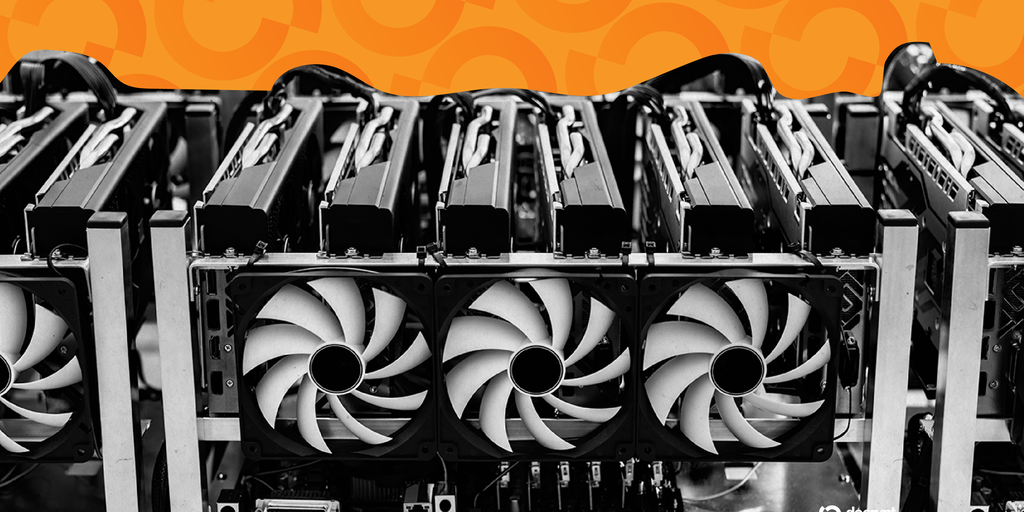
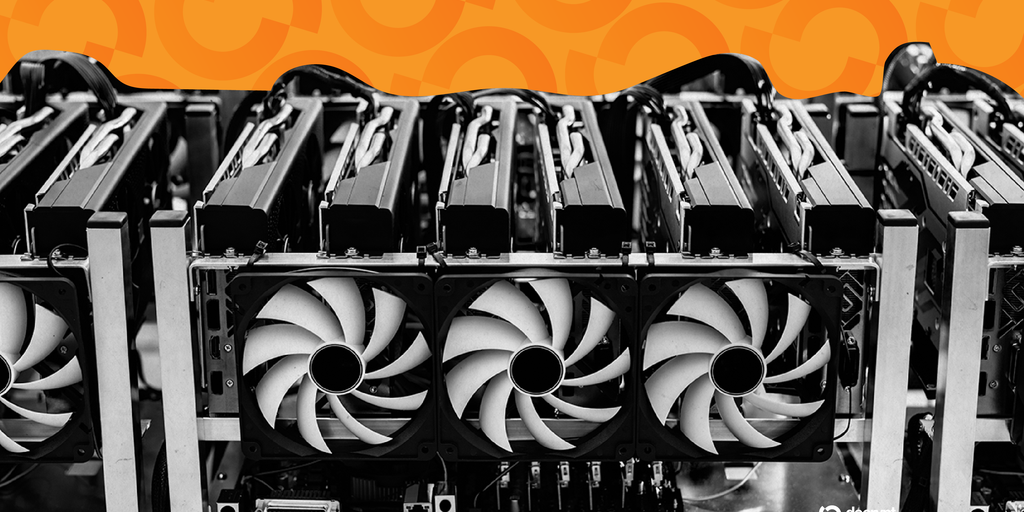
Wall Street analysts are betting that Bitcoin miners are quietly becoming indispensable to the artificial intelligence industry as “power landlords,” according to a research note published Wednesday by Bernstein, the investment firm owned by Société Générale.
The report, which initiates coverage on two mining companies—TeraWulf and Cipher Digital, both assigned “Outperform” ratings—argues that former crypto-centric operators are uniquely positioned to solve one of AI’s most pressing bottlenecks: access to large-scale, ready-to-use power.
The numbers underscore how quickly the industry has transformed. Miners have struck 17 deals worth more than $110 billion over the past two years, contracting out roughly 6 gigawatts of power to companies including Google, Amazon, Microsoft, Nvidia and CoreWeave—accounting for about 10% of all AI data centers currently under construction in the United States.
“Bitcoin miners remain best positioned to solve ‘time to compute,'” the analysts wrote, pointing to the industry’s planned 30-gigawatt power portfolio and its operational experience delivering what the report calls “warm powered shells”—facilities with electricity already flowing, ready for computing hardware to move in.
Bernstein projects that the aggregate AI revenue of the companies it covers will climb from $1.2 billion this year to $10.7 billion by 2030. TeraWulf, anchored by a partnership with Fluidstack and Google, is expected to reach $1.7 billion in AI revenue by that point, with EBITDA margins approaching 84%. Cipher Digital, whose client base is majority hyperscaler, is projected to hit $1.2 billion in AI revenue with margins near 93%.
The colocation model the companies favor—leasing powered facilities under long-term, take-or-pay contracts—has attracted particular investor attention for its stability. Project financing markets are now covering 75-85% of construction costs for these facilities, Bernstein noted, at interest rates well below the returns the underlying contracts generate.
The report reflects a broader shift in how investors and technology executives are thinking about power infrastructure. As demand for AI computing accelerates, securing reliable electricity at scale has become as strategically important as the chips themselves—and the miners who spent years chasing it now find themselves holding a valuable asset.
Shares in both TeraWulf (WULF) and Cipher Digital (CIFR) are down on the day as of this writing, but both have put up towering gains so far in 2026, with WULF up nearly 122% and CIFR rising about 69% during that same span.
Daily Debrief Newsletter
Start every day with the top news stories right now, plus original features, a podcast, videos and more.