

In brief
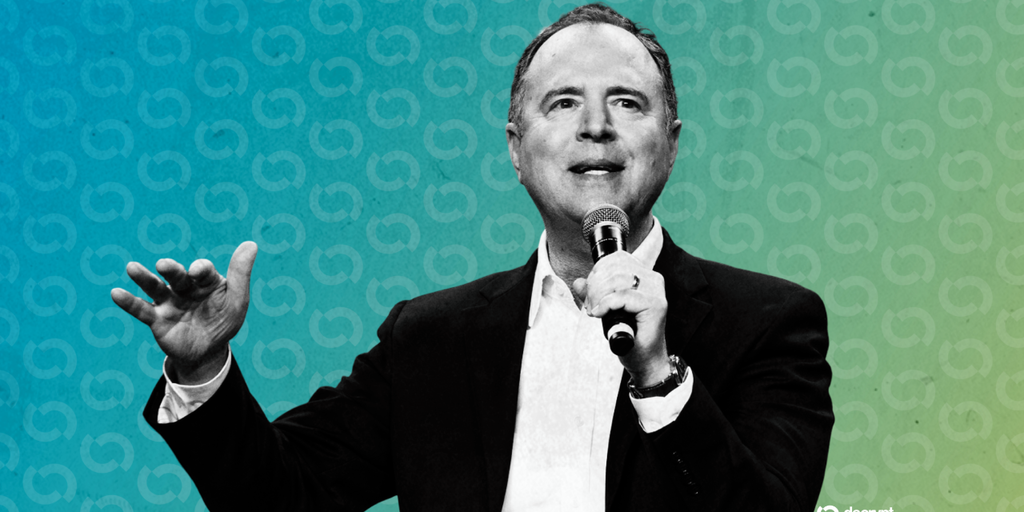
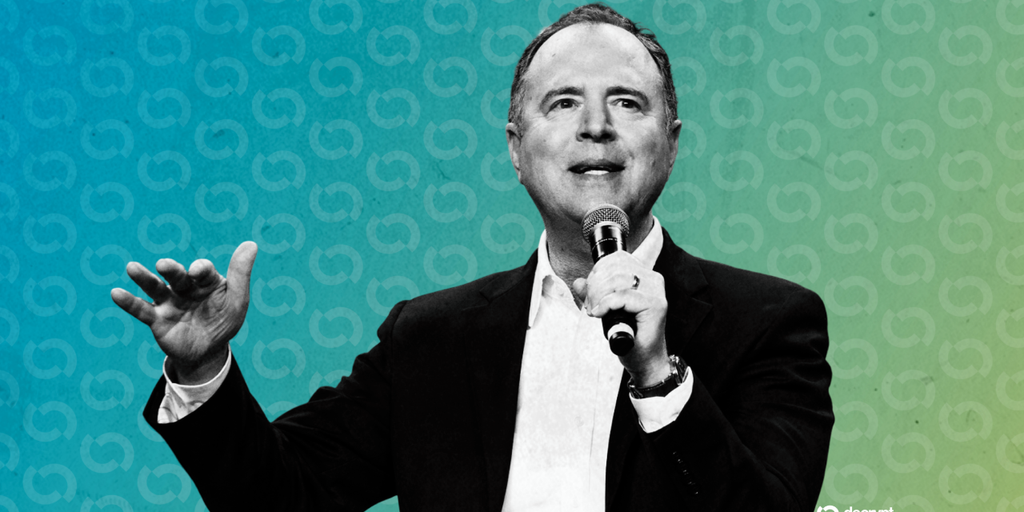
- Adam Schiff and John Curtis plan to introduce a bipartisan bill banning sports-related prediction markets.
- The proposal targets platforms like Kalshi and Polymarket, arguing many of their offerings are unlicensed sports bets.
- The move escalates a broader fight between states, federal regulators, and prediction market firms over regulation.
A bipartisan duo of U.S. senators plan to introduce legislation Monday that would ban American prediction markets from offering sports-related wagers.
The proposed bill, from Adam Schiff (D-CA) and John Curtis (R-UT), would prohibit prediction market platforms like Polymarket and Kalshi from offering sports markets that they allege constitute unlicensed sports betting by another name. News of the impending bill was first reported by the Wall Street Journal.
“Too many young people in Utah are getting exposed to addictive sports betting and casino-style gaming contracts that belong under state control, not under federal regulators,” Curtis said, in a statement.
The senators said the legislation would prohibit any CFTC registered entity from listing a contract resembling a sports bet or casino-style game, and also “reinforce Congress’ original intent that the Commodity Exchange Act does not permit sports gambling.”
In the last year, a growing number of states have sued the nation’s top prediction market platforms, arguing their sports-related markets should comply with state gambling laws. The platforms have pushed back, arguing that because the sports-related wagers are tied to event contracts, they should instead be regulated at the federal level by the CFTC.
A number of judges have not been convinced by that argument. On Friday, Nevada became the first state to successfully ban a prediction market platform, Kalshi—at least temporarily—as the state’s lawsuit against the company proceeds to trial.
Last week, Arizona filed criminal charges against Kalshi, for allegedly operating an illegal gambling service and allowing unlicensed election wagering.
A Kalshi spokesperson told Decrypt that today’s proposed bill would push activity offshore and protect the “monopoly” of U.S. casinos.
“It’s clear this bill is motivated by casino interests that are threatened by competition,” the spokesperson said. “They’re more worried about protecting their monopolies than protecting consumers.”
Over 80% of Kalshi’s lifetime trading volume comes from sports-focused markets, according to data from Dune.
The Trump CFTC has aggressively taken the side of prediction market platforms in the ongoing jurisdictional dispute over sports wagers, which is likely to ultimately be decided by the Supreme Court. CFTC Chair Mike Selig has pledged to put the agency’s resources behind companies fighting against state regulators.
So far, the states that have challenged the CFTC’s legal interpretation run the political spectrum, from Democratic mainstay Massachusetts to deep-red Tennessee. Last month, Utah’s Republican Governor, Spencer Cox, condemned the Trump CFTC’s approach to prediction markets, arguing the platforms are “destroying the lives of families and countless Americans, especially young men.”
On Friday, Rep. Alexandria Ocasio-Cortez (D-NY), the prominent progressive lawmaker, added her voice to the growing chorus of prediction market skeptics.
“I know as a politician these companies are going to spend a billion dollars against me for saying it but… pervasive gambling is not good for society,” she said. “It turns life into a casino, traps people in addiction and debt, surges domestic violence, and fosters manipulation.”
Daily Debrief Newsletter
Start every day with the top news stories right now, plus original features, a podcast, videos and more.